
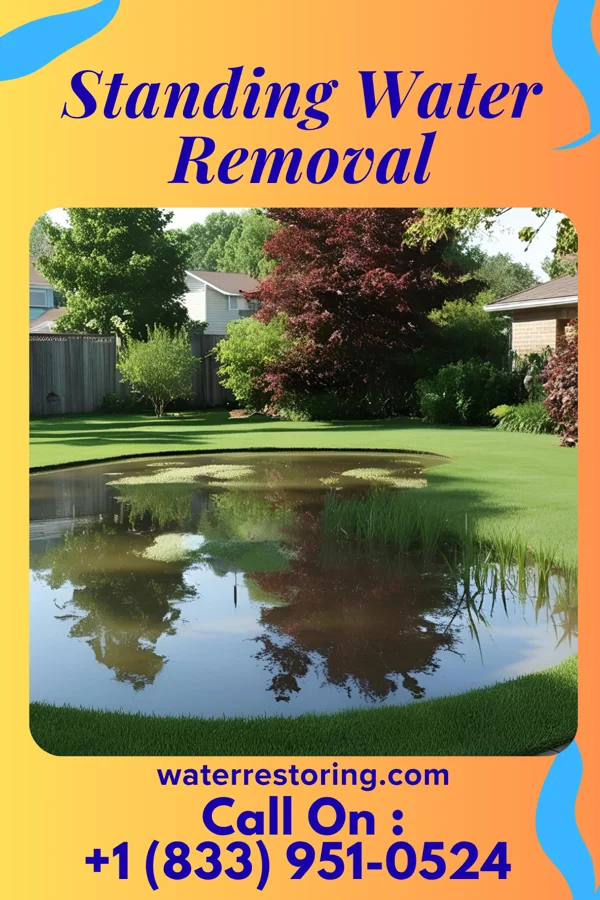
Iowa City Standing Water: What Owners Should Know
Residential or commercial, water damage emergencies in Iowa City keep coming back to the same drivers. In Iowa City, the primary water damage cause is often storm-related flooding due to the region's unpredictable weather patterns, particularly during spring thaw and summer thunderstorms. Additionally, the proximity to the Iowa River and the city's urban layout increase the risk of water intrusion from nearby waterways and drainage systems. sits at the top of the list. A close second is Secondary causes include plumbing failures in older buildings, particularly in the University Heights and Coralville areas, and groundwater seepage in basements of homes built on hillsides. The city's hilly terrain also contributes to localized drainage issues..
Iowa City experiences a humid continental climate with significant precipitation, especially in the spring and fall. The combination of heavy rainfall and the city's topography increases the likelihood of water accumulation in low-lying areas and residential properties.
Water damage in Iowa City follows a few local patterns. In Iowa City, the primary water damage cause is often storm-related flooding due to the region's unpredictable weather patterns, particularly during spring thaw and summer thunderstorms. Additionally, the proximity to the Iowa River and the city's urban layout increase the risk of water intrusion from nearby waterways and drainage systems. accounts for the bulk of our calls. Iowa City experiences a humid continental climate with significant precipitation, especially in the spring and fall. The combination of heavy rainfall and the city's topography increases the likelihood of water accumulation in low-lying areas and residential properties. In Iowa City, mold growth can occur within 48 hours of water exposure, especially in the humid climate and during the warmer months. Prompt action is crucial to prevent health risks and structural damage in homes and buildings.